Looking Healthy and Being Well Aren't the Same Thing
We've gotten very good at looking healthy. Here's what changed when I stopped chasing the look and started listening to my body.
We’ve built a whole industry around looking healthy.
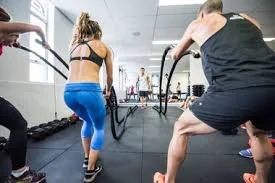
Once you start looking, you see it everywhere. The smoothie bowl photographed in perfect morning light. The before-and-after. The six-week transformation. The influencer holding a supplement bottle, with a caption suggesting her glow is something you can buy. The gym selfie that’s less about fitness and more about proof.
We’ve gotten very good at looking well. We’re not nearly as good at actually being well.
I’m not saying this to judge anyone. I lived this way for years. Like a lot of women, I learned early that my body was something to manage and show off, not something to listen to and take care of. I thought health was a look I had to achieve, and that if I could just get the outside right, the inside would finally settle down.
It took me a long time to see that I had it all backwards.
What we measure and what we miss
We tend to measure health by what we can see: weight, dress size, the number on the scale, how your arms look in a photo, and whether you’re eating the “right” foods according to whoever is loudest online this season.
What we rarely measure is how someone actually feels. Is her energy real or borrowed? Is she sleeping? Does she feel present in her own life, or like she’s on autopilot? Is her food nourishing her, or just checking a box?
Those things are harder to photograph, and they don’t make good content. But they’re what really tells you whether someone is well.
You can check every box and still be running on empty. You can have the gym routine, the meal prep containers, and the right supplements lined up on the counter, and still feel, quietly and constantly, like something’s wrong. Because something is. Looking well and feeling well aren’t the same thing, no matter how long we’ve been told they are.
The cost of chasing the look
When health becomes mostly about how we look, a few things happen.
We eat for results we can see instead of for how food makes us feel. We pick workouts that punish instead of restore. We measure progress in the mirror instead of by our energy, our clear head, and whether we can show up for the people and the purpose that matter most.
And we stop listening.
Your body isn’t quiet. It’s always telling you something: when it’s worn out and when it’s well fed, when something you eat is helping and when it isn’t, when you’re rested and when you’re running on stress hormones dressed up as momentum. But if you only pay attention to how it looks, you’ll miss everything it’s trying to say.
Not listening costs a lot. It costs energy we don’t have to spare. It costs years of chasing a feeling the look was never going to give us. And it costs us the kind of relationship with our own body that real health depends on.
What real wellness feels like
Real wellness is quieter than it looks online. There’s no transformation photo and no product to buy. It isn’t something you reach and then show off.
It’s steadiness. It’s energy that lasts through the afternoon without a crash. It’s sleeping well and waking up ready. It’s eating in a way that makes your body feel supported, not managed. It’s being present in your own life, actually living it instead of performing it for an audience.
More than anything, it’s a relationship with your body built on attention and care, not control and criticism.
Every woman can have that kind of wellness, whatever she looks like. You don’t need a certain body type, budget, or level of discipline. You need honesty, and a willingness to ask what your body actually needs instead of what the culture says it should look like.
And you have to be willing to let the answer be simpler than you expected.
A different question
I wrote about this at length in my book, Eat Plants. Change Your Life., because I think it sits underneath so much of the struggle women have with food and health. We’re not failing at wellness. We’re succeeding at the wrong definition of it.
So the question isn’t “How do I look?” It’s “How do I feel, and what does my body need to carry the life I’m actually living?”
Start there. Everything else follows.
The Whole-Food Shift That’s Changing How America Eats
Plant-based living in 2026 is entering a quieter, more grounded chapter. More people are meeting themselves where they are, using simple transition tools when needed, and building toward a whole-food lifestyle rooted in nature, nourishment, and sustainable habits that last.
Plant-based living in the U.S. is entering a new chapter, and it’s a quieter one.
For years, the plant-based conversation centered on replacements: burgers, nuggets, cheeses, milks, and all the creative ways brands tried to make plant-based eating feel familiar. That phase helped a lot of people begin. It offered comfort, convenience, and an easy way to start making different choices.
Now, in 2026, a deeper shift is happening.
More Americans are choosing plant-based foods for one simple reason: they want to feel better. More energized. More balanced. More supported in their everyday life. And that desire naturally brings people back to something timeless:
Real food from the earth.
That’s the heart of this next season: fewer buzzwords, more basics. Less chasing, more grounding. And at Vegan People, we’re here for it.
We Meet People Where They Are
Before we talk about whole foods, we need to say something clearly and kindly:
Vegan People welcomes you at every stage of your journey.
Some people start plant-based living through convenience foods. They grab dairy-free yogurts, plant-based frozen meals, vegan chicken substitutes, or meatless deli slices because it makes the change feel doable. It keeps dinner simple. It helps families transition without stress.
That approach makes sense. It’s practical. It’s real life.
Processed vegan foods can serve as a bridge, especially at the beginning. They help you shift your habits without feeling like you have to completely reinvent your life overnight.
And then something beautiful happens over time:
Many people begin craving foods that feel lighter, cleaner, and more natural.
That’s where the whole-food shift begins.
The Quiet Trend: Americans Are Eating More Beans Again
One of the clearest signs of this change is happening in the pantry.
Beans, lentils, and chickpeas are steadily growing in popularity in the U.S. A 2025 research paper reviewing U.S. pulse consumption noted that beans are the most commonly consumed pulses, followed by lentils and chickpeas, with chickpea consumption increasing over time.
The USDA’s April 2025 Vegetables and Pulses Outlook also reported notable year-over-year increases in per-capita availability, including dry beans up 30% and lentils up 95%.
That matters because these foods represent more than nutrition. They represent a shift toward something sustainable: protein that comes with fiber, minerals, and long-term support.
Whole Foods Make Plant-Based Living Simpler
When people first explore plant-based eating, they often assume it requires specialty products. But whole-food plant-based living is actually one of the simplest styles of eating once you find your rhythm.
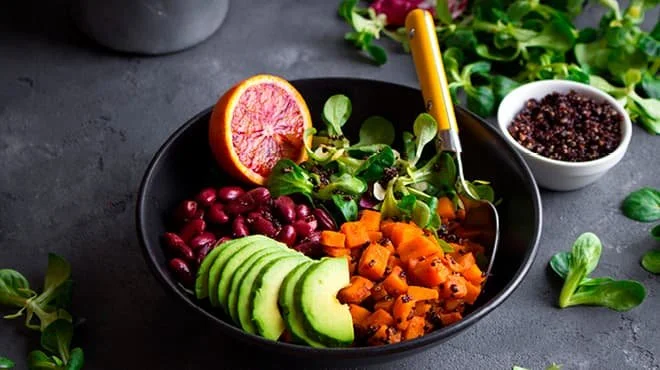
A whole-food plant-based grocery cart usually includes:
beans and lentils
oats and whole grains
leafy greens and colorful vegetables
fruit
nuts and seeds
herbs, spices, and simple sauces
These foods create meals that feel grounding and satisfying. They also make it easier to eat consistently, which matters more than perfection.
A Gentle Progress Path: Bridge Foods → Whole Foods
Here’s a Vegan People approach that supports real people:
1) Begin with what feels doable
If a plant-based frozen meal keeps you from ordering fast food, that’s a win. If veggie nuggets help your kids eat plant-forward, that’s progress. If oat milk makes your coffee habit feel aligned, that’s a step forward.
2) Gradually upgrade
Over time, many people choose options with shorter ingredient lists and more recognizable foods. They begin cooking simple meals and relying less on packaged replacements.
3) Build the whole-food foundation
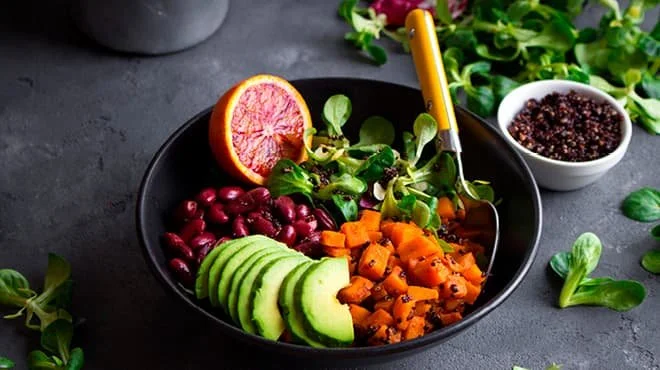
This is where change starts to feel natural. A bean chili becomes normal. A lentil soup becomes comfort food. A grain bowl becomes a weekly favorite. Fruits and nuts become go-to snacks.
This shift happens gently, and it lasts.
Hydration: The Most Overlooked Plant-Based Habit
Another whole-food trend rising in America is hydration that feels simple and clean.
Many people are trading flavored drinks for water habits they can sustain. One of the easiest upgrades is fruit-infused water.
Try:
lemon + cucumber + mint
strawberry + basil
orange + blueberry
pineapple + ginger
It supports the body, fits everyday life, and feels refreshing without complication.
Our Takeaway
Plant-based living in 2026 is becoming more grounded and more human.
People are starting where they are. They’re using helpful tools to transition. And they’re moving toward foods that come from nature and nourish deeply.
That’s the path Vegan People supports: progress with compassion, and a steady return to whole plants.