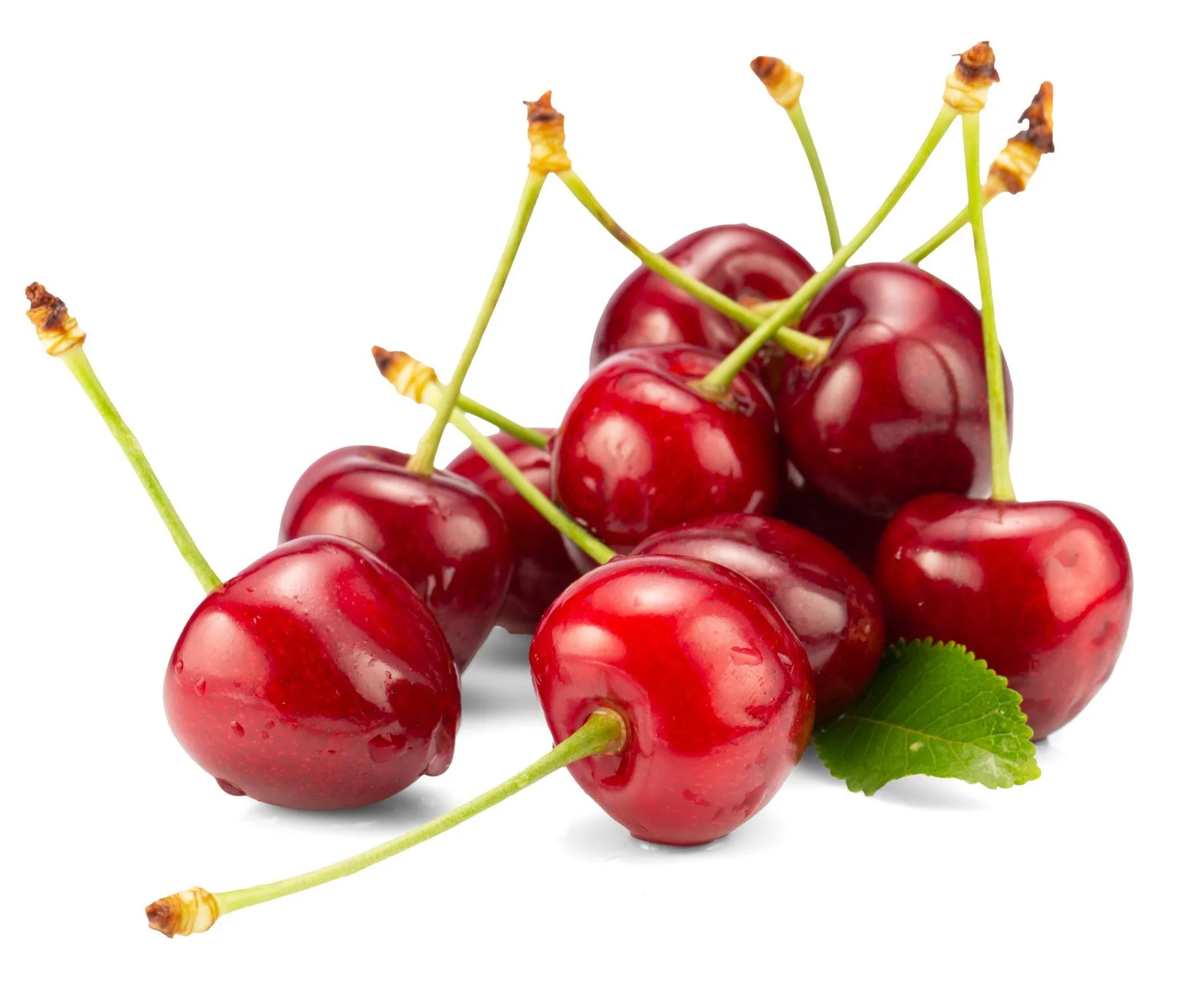
Juicy, vibrant, and naturally sweet, cherries add color, flavor, and antioxidants to plant-based meals.
Cherries are small, vibrant fruits with a juicy texture and a balance of sweetness and tartness. They add color, flavor, and nutrients to plant-based meals.
Cherries can be enjoyed fresh or frozen and are commonly used in smoothies, desserts, and salads.
In plant-based eating, cherries are valued for their rich color and natural sweetness, as well as their antioxidant content.
Cherries provide vitamin C, fiber, and plant compounds that support overall wellness.
Key Benefits
• Provides antioxidants that support cellular health
• Supports recovery and overall wellness
• Supports immune wellness with vitamin C
• Adds natural sweetness to meals
• Supports balanced plant-forward nutrition
Key Nutrients
• Vitamin C
• Fiber
• Potassium
• Antioxidants
Nutrition Facts (per 1 cup cherries)
• Calories: ~95
• Carbs: ~24 g
• Fiber: ~3 g
• Protein: ~2 g
• Fat: ~0 g
• Sugar: ~19 g
Source: USDA FoodData Central
Easy Ways to Eat Cherries
• Eat fresh as a snack
• Add to smoothies
• Toss into salads
• Use in desserts
• Blend into sauces
• Freeze for later use
How to Choose and Store
How to choose
Look for firm, glossy cherries with deep color and green stems.
How to store
• Refrigerate unwashed cherries
• Wash before eating
How long it lasts
About 5–7 days in the refrigerator.
Pairs Well With
• Dark chocolate
• Almonds
• Spinach
• Oats
• Vanilla
• Coconut
Conditions Cherries May Help Support
This section is not medical advice.
Cherries may support:
• Antioxidant-rich nutrition
• Recovery-supportive nutrition patterns
• Immune wellness support
• Balanced plant-forward eating