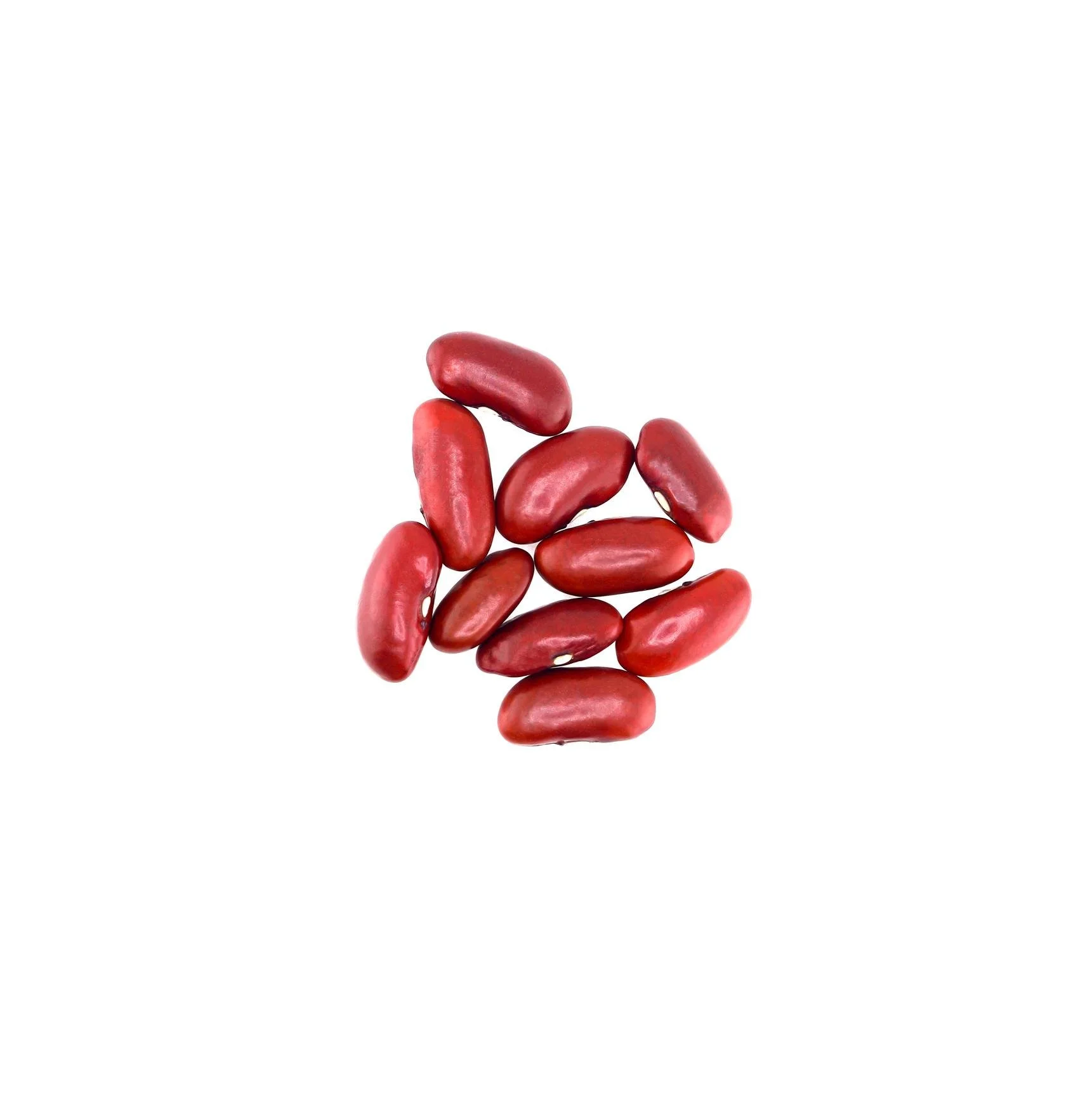
Kidney beans are hearty red legumes with a firm texture and earthy flavor. They’re a classic ingredient in chili, rice dishes, and stews, offering satisfying plant protein and fiber.
Their deep color reflects antioxidant plant compounds, and their fiber content helps promote fullness and digestive balance. Kidney beans are especially helpful for building balanced, budget-friendly meals that keep you satisfied longer.
Key Benefits
• Supports heart-supportive eating patterns
• Encourages steady blood sugar
• Promotes fullness and satiety
• Contributes iron for plant-based diets
• Supports digestive regularity
Key Nutrients
• Plant protein
• Fiber
• Iron
• Potassium
• Folate
• Magnesium
Nutrition Facts (per 1 cup cooked kidney beans)
• Calories: ~225
• Carbs: ~40g
• Fiber: ~13g
• Protein: ~15g
• Fat: ~1g
Source: USDA FoodData Central
Easy Ways to Eat Kidney Beans
• Add to chili
• Stir into rice bowls
• Toss into taco fillings
• Blend into bean spreads
• Add to soups and stews
How to Choose and Store
How to choose
Look for dry beans that are smooth and evenly colored. If using canned, choose low-sodium when possible.
How to store
• Store dried beans in a sealed container in a cool pantry
• Refrigerate cooked beans in an airtight container
How long it lasts
• Dried: up to 1 year
• Cooked: 3 to 5 days refrigerated
Pairs Well With
• Cumin
• Chili powder
• Garlic
• Brown rice
• Corn
• Bell peppers
Conditions Kidney Beans May Help Support (Plant Pantry Wellness Notes)
This section is not medical advice.
Kidney beans may be helpful for those focusing on
• Heart-supportive eating patterns
• Blood sugar management
• Iron intake within plant-based diets
• Weight management
For medical nutrition therapy, always consult a licensed provider.