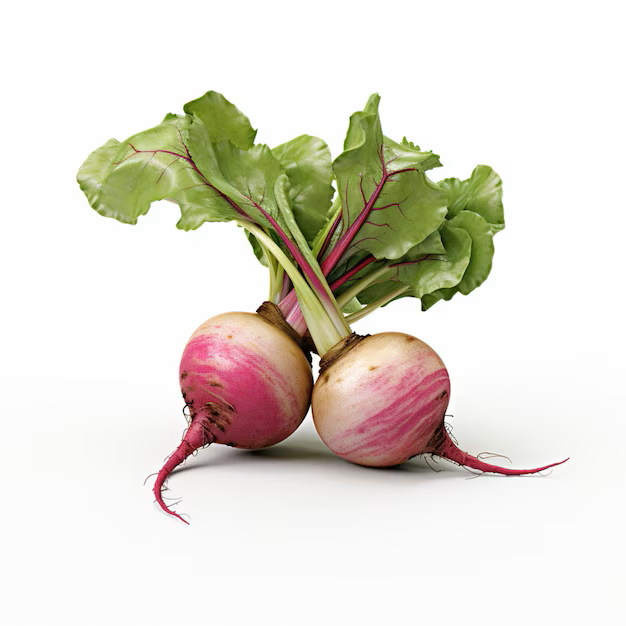
Turnips are an underrated root vegetable that bring both nourishment and versatility to plant-based meals. They have a mild, slightly peppery flavor when raw and become tender and subtly sweet when cooked. For beginners, turnips are a simple way to expand beyond potatoes while still keeping meals comforting, affordable, and approachable.
Turnips are a root vegetable rich in fiber, vitamin C, and antioxidants. Both the root and the leafy greens are edible, making them a flexible and budget-friendly addition to plant-forward cooking. They can be roasted, mashed, sautéed, added to soups, or enjoyed raw when sliced thin. Turnips are a great “everyday root” that support balanced, whole-food meals without requiring complicated preparation.
Key Benefits
• Supports digestive wellness with fiber
• Supports immune health with vitamin C
• Supports heart wellness as part of a vegetable-rich diet
• Naturally low in calories and supportive for balanced meals
• Budget-friendly and versatile for simple cooking
Key Nutrients
• Vitamin C
• Fiber
• Potassium
• Folate
• Calcium (especially in the greens)
• Antioxidants
Nutrition Facts (per 1 cup raw diced turnips)
• Calories: ~36
• Carbs: ~8g
• Fiber: ~2g
• Protein: ~1g
• Fat: ~0g
• Sugar: ~5g
Source: USDA FoodData Central
Easy Ways to Eat Turnips
• Roast cubed turnips with olive oil, garlic, and rosemary
• Mash steamed turnips as a lighter alternative to mashed potatoes
• Add diced turnips to soups and stews for extra depth
• Slice thin and add raw to salads for a mild peppery crunch
• Stir-fry turnip cubes with onions and greens
• Sauté turnip greens with garlic and lemon
• Blend roasted turnips into creamy veggie soups
How to Choose and Store Turnips
How to choose: Look for small to medium turnips that feel firm and heavy for their size with smooth skin. Smaller turnips tend to be sweeter and less bitter. If buying with greens attached, choose greens that look fresh and vibrant.
How to store:
• Remove greens before storing (store separately)
• Keep roots in the fridge in a breathable bag
• Store greens wrapped in a damp paper towel inside a container
How long it lasts: Roots last about 1–2 weeks in the fridge. Greens last about 3–5 days.
Pairs Well With
• Garlic
• Rosemary
• Thyme
• Lemon
• Carrots
• Lentils
• Kale
Conditions Turnips May Help Support (Plant Pantry Wellness Notes)
This section is not medical advice. It’s a “what the research suggests” support list.
Turnips may be a helpful food choice for people focusing on:
• Digestive wellness support
• Immune support routines
• Heart health support
• Balanced blood sugar support as part of fiber-rich meals
• Weight management support when building vegetable-forward plates
For medical nutrition therapy, always consult a licensed provider.