What 200 Americans Said Changed When They Added More Plants to Their Plates
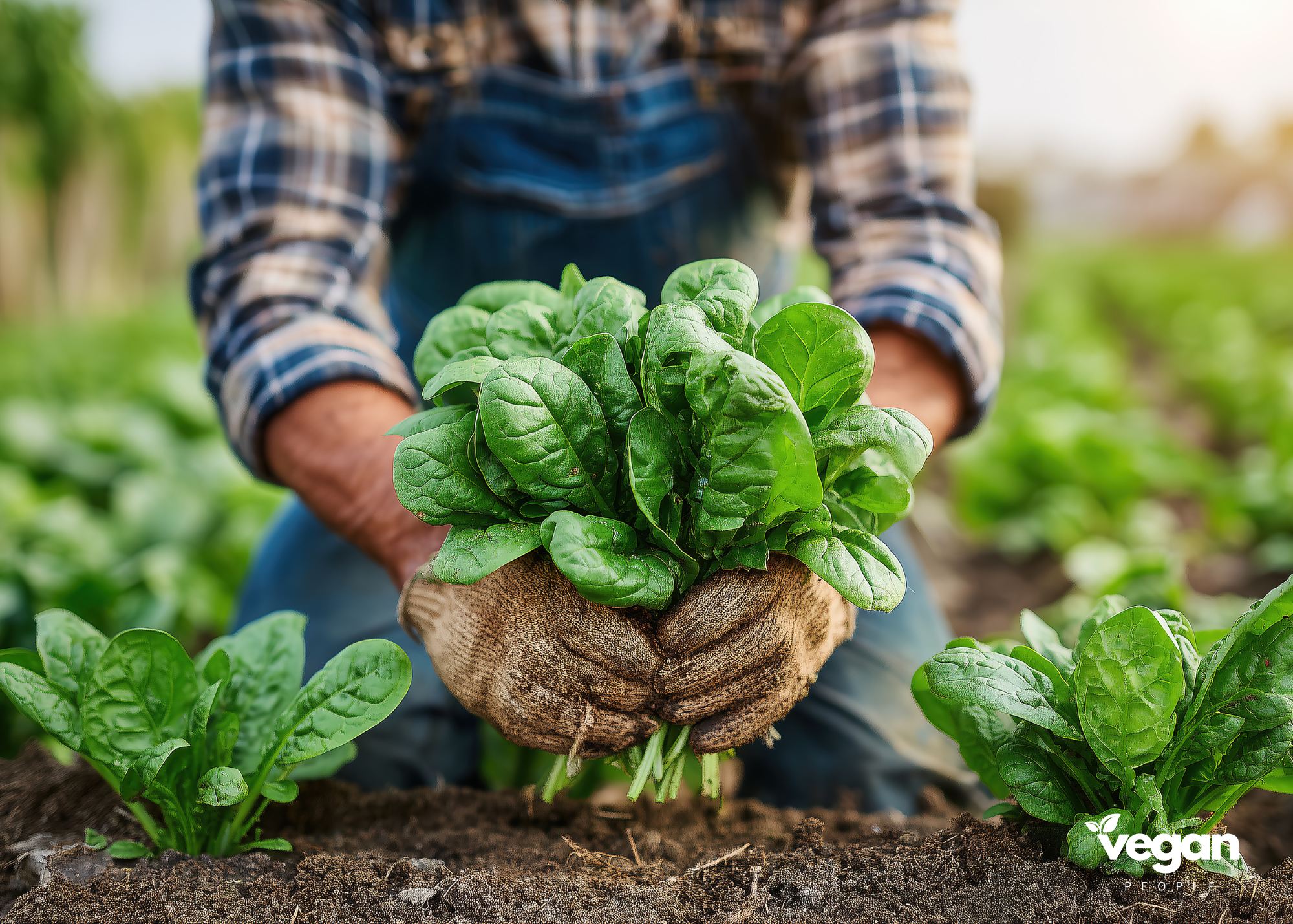
What 200 Americans Said Changed With More Plants
Most people who start eating more plants are looking for one thing. Better energy. Lower cholesterol. Weight they have been carrying longer than they want to. A number on a lab report that finally moves in the right direction.
What they tend to find is that the changes do not stop there.
The research on plant-forward eating has grown significantly over the past decade, and what it consistently shows is that the benefits of adding more whole, plant-based foods to a diet are rarely limited to a single system. They tend to cascade.
What the body notices first
The physical changes that people report earliest when shifting toward plant-forward eating follow a consistent pattern across studies and self-reported accounts. Digestion improves quickly, often within the first two weeks. The bloating and discomfort that many people have normalized as a feature of eating begins to resolve. Bowel regularity improves. The heaviness that follows certain meals lifts.
Energy tends to follow. Not the spike-and-crash energy that refined carbohydrates and processed foods produce, but a steadier, more sustained version that carries people through the afternoon without the wall that many have come to expect. Sleep quality often improves as well, a change that catches people off guard because they had attributed poor sleep to stress or age rather than diet.
Skin clarity, reduced joint inflammation, and weight loss without calorie restriction are also commonly reported, the last of which tends to happen as a byproduct of eating foods that are more nutrient-dense and higher in fiber, which support natural satiety without requiring portion management.
What the clinical data shows
These self-reported experiences are consistent with what controlled research demonstrates. Whole-food, plant-based diets are associated with meaningful reductions in LDL cholesterol, systolic blood pressure, fasting blood glucose, and C-reactive protein, a key marker of systemic inflammation. These are the same markers that chronic disease builds on, and they tend to respond relatively quickly to dietary change.
Research published across multiple peer-reviewed journals, including work from the Physicians Committee for Responsible Medicine and data reviewed in the American Journal of Clinical Nutrition, supports the connection between plant-forward eating and improved metabolic health. The improvements are not marginal. For people dealing with elevated blood pressure, high cholesterol, or blood sugar irregularities, the changes can be significant enough to reduce or eliminate the need for medication under a doctor's supervision.
The changes people do not expect
The physical improvements are the ones people go looking for. The ones they do not anticipate are often the ones that make them stay.
Mental clarity is one of the most consistently reported unexpected benefits. People describe a lifting of what they call brain fog, a sharpening of focus, a sense of being more present in their own thinking. The gut-brain connection is well-documented in current research, and diets high in fiber and fermentable plant foods support the gut microbiome in ways that appear to influence mood, cognition, and stress response.
Reduced anxiety, more stable mood, and greater emotional resilience are also commonly reported. These changes are not fully understood mechanistically, but the relationship between systemic inflammation, blood sugar stability, and emotional regulation is an active area of research with growing evidence.
Taste preferences shift as well, usually around the three to four week mark. Foods that once tasted flat begin to taste complex. Fruit begins to satisfy the desire for sweetness. The pull toward heavily processed foods diminishes as the palate recalibrates.
The relational dimension
What the research captures less easily, but what people report consistently, is what happens around the table.
Families who begin cooking more whole-food meals at home tend to eat together more. The act of preparing food, even simple food, creates a different kind of shared experience than picking up takeout. Children who participate in cooking are more likely to try what they have helped make. Partners who cook together find an unexpected point of connection.
The food becomes a reason to be present with each other. That is not a small thing.
The three-month threshold
Research on dietary behavior change consistently identifies roughly ninety days as the point at which new eating patterns begin to feel normal rather than effortful. Cravings diminish. New preferences solidify. The change stops feeling like an experiment and starts feeling like a way of life.
The body God designed you to live in is responsive. It is always sending signals. Plant-forward eating, at its best, is a practice of learning to hear them and respond with care. Proverbs 27:12 puts it plainly: the prudent see danger and take refuge. Paying attention to what your body is telling you is not vanity. It is wisdom.
A place to begin
If you are curious what thirty days of eating more plants might reveal for you, the free Vegan People 7-Day Starter Plan is a practical first step. A full week of simple, satisfying meals with a grocery list and estimated totals, built for real life.
Start here at veganpeople.net/freemealplan →
Sources: Physicians Committee for Responsible Medicine. American Journal of Clinical Nutrition. Current research on gut-brain connection and dietary inflammation.