15 Immune-Supporting Plant Foods (That Are Easy, Affordable, and Beginner-Friendly)
When cold season arrives and everyone around you seems to be sniffling, it is tempting to reach for a cabinet full of supplements. But immune health is not built on a single dramatic intervention. It is built through steady, consistent nourishment that helps your body do what it was already designed to do.
These fifteen plant-forward foods support immune function because they are rich in the nutrients that matter most: vitamin C, vitamin A and beta carotene, zinc, iron, antioxidants, polyphenols, and fiber. That last one matters more than most people realize. Your gut microbiome plays a central role in immune regulation, and fiber is what feeds it.
What nutrients support immune health
Immune support is a team effort rather than a single ingredient. The nutrients most consistently associated with strong immune function include vitamin C, vitamin A from beta carotene, vitamin D, zinc, selenium, protein, fiber for gut health, and antioxidants from a wide variety of plant compounds. Hydration and sleep are part of this picture as well.
The good news: a plant-forward diet delivers most of these naturally, affordably, and deliciously.
1. Citrus: oranges, lemons, grapefruit
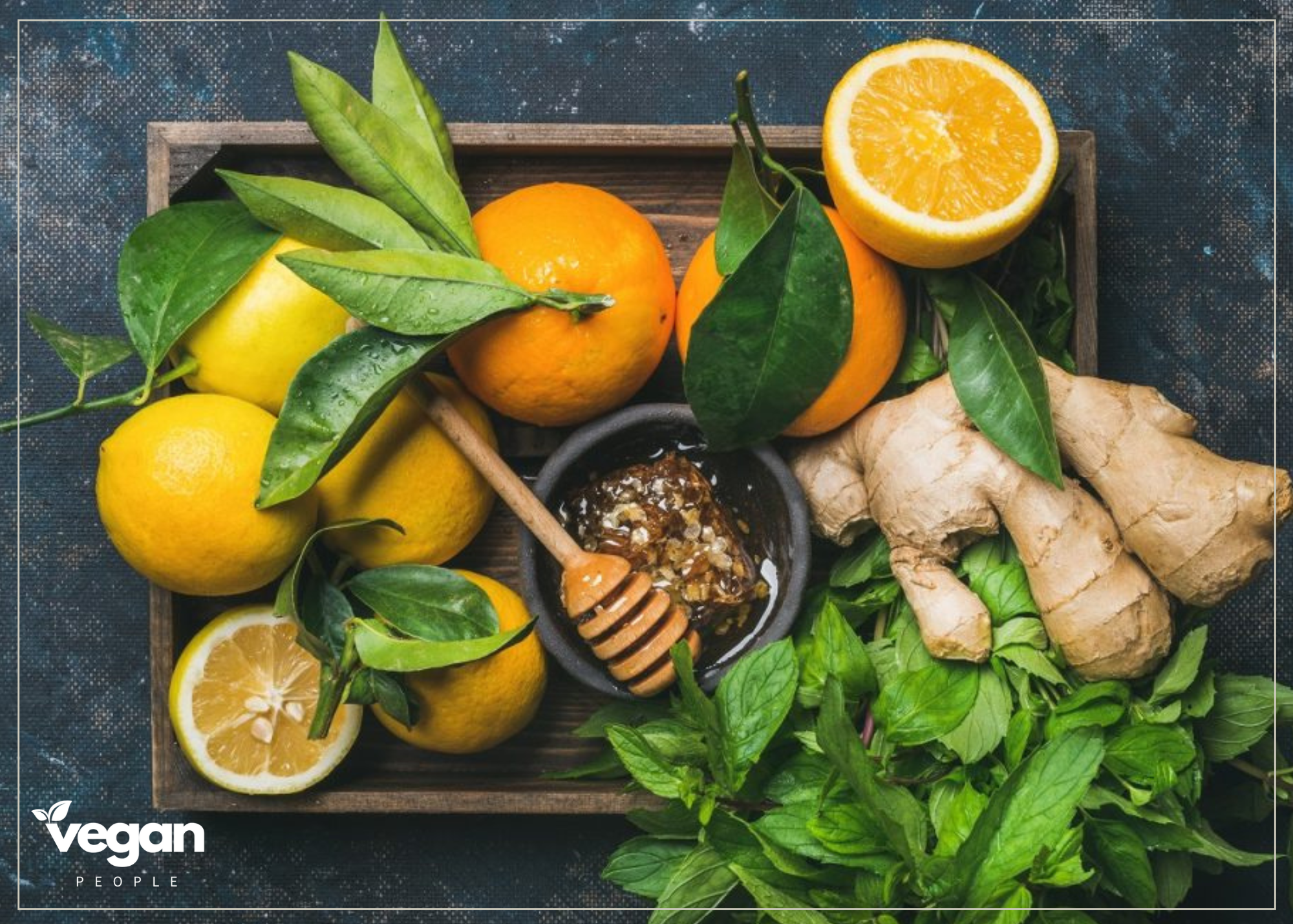
Vitamin C supports immune cell function and helps the body repair and recover. Squeeze lemon into water, enjoy orange slices as a snack, or use citrus in a simple salad dressing.
2. Sweet potatoes
Packed with beta carotene, which the body converts into vitamin A to support the skin and mucosal lining, your body's first line of defense. Roast into wedges, mash with a little coconut oil, or cube into a grain bowl.
3. Garlic
Garlic contains allicin and other compounds studied for antimicrobial properties. It also makes nearly every plant-based dish taste more comforting. Add roasted garlic to hummus, stir it into soups, or sauté with leafy greens.
4. Ginger
Warming, soothing, and anti-inflammatory. Ginger supports digestion and is particularly helpful during cold season. Steep fresh ginger in hot water for a simple tea, add to smoothies, or stir into stir-fry sauces.
5. Mushrooms
Mushrooms contain immune-supportive compounds, and certain varieties contribute to vitamin D intake, a nutrient many people are low in. Serve on toast, add to vegetable soup, or toss into tacos.
6. Berries: fresh or frozen
Rich in antioxidants and vitamin C. Frozen berries are just as nutritious as fresh and significantly more budget-friendly. Stir into oatmeal, blend into smoothies, or layer into chia pudding.
7. Oats
High in beta-glucan fiber, which supports gut health and, by extension, immune function. Simple cinnamon oatmeal, overnight oats, or baked oats all count.
8. Lentils
Protein, zinc, and iron in one affordable package. Three of the key nutrients for immune support, available in a food that costs less than almost anything else in the grocery store. Use in soup, as a taco filling, or in a simple curry.
9. Leafy greens: spinach, kale, collards
Greens bring vitamin C, vitamin A precursors, folate, and antioxidants together in every serving. Add spinach to pasta, soup, or smoothies. Massage kale with lemon for a simple salad. Sauté collards with garlic and a splash of broth.
10. Red bell peppers
One of the highest vitamin C foods available, and one of the most underutilized. Slice with hummus, roast into bowls, or dice into salads for color and crunch.
11. Broccoli and cruciferous vegetables
Rich in vitamin C and sulforaphane, a plant compound with significant antioxidant activity. Roast until the edges crisp, add to stir-fries, or blend into a creamy soup.
12. Cabbage
Affordable, long-lasting in the refrigerator, and quietly powerful. Cabbage supports immune health through vitamin C and antioxidants. Use in slaws, stir-fries, or a simple warming soup.
13. Nuts and seeds, especially pumpkin seeds
Pumpkin seeds are a particularly good source of zinc, which plays a direct role in immune function. Sprinkle on oatmeal or salads, add to trail mix, or blend into a seed-based pesto.
14. Fermented foods: sauerkraut, kimchi, plant-based yogurt
A diverse gut microbiome supports immune regulation. Fermented foods contribute to that diversity. Add sauerkraut to grain bowls, serve kimchi alongside rice, or enjoy dairy-free yogurt with berries.
15. Tomatoes, especially canned
Lycopene and antioxidants in a shelf-stable, budget-friendly form. Keep canned tomatoes on hand for soup, marinara, or a simple shakshuka-style dish with chickpeas.
A simple immune-support grocery list
If you want a practical starting point, this list covers the essentials.
Produce: oranges and lemons, fresh ginger, garlic, spinach, sweet potatoes, broccoli, red bell peppers.
Pantry: rolled oats, lentils, canned tomatoes, pumpkin seeds.
Optional additions: sauerkraut or kimchi, fresh or frozen mushrooms.
A closing thought
Food supports the body. It does not guarantee it against everything. If you get sick, that is not a failure. It is part of being human, and part of the grace extended to bodies that are doing their best.
What consistent, nourishing food does is give your body the best possible foundation to work from. Psalm 104 reminds us that God causes the earth to bring forth food for human flourishing. These fifteen ingredients are part of that provision. Simple, whole, and quietly powerful.
Use them well.