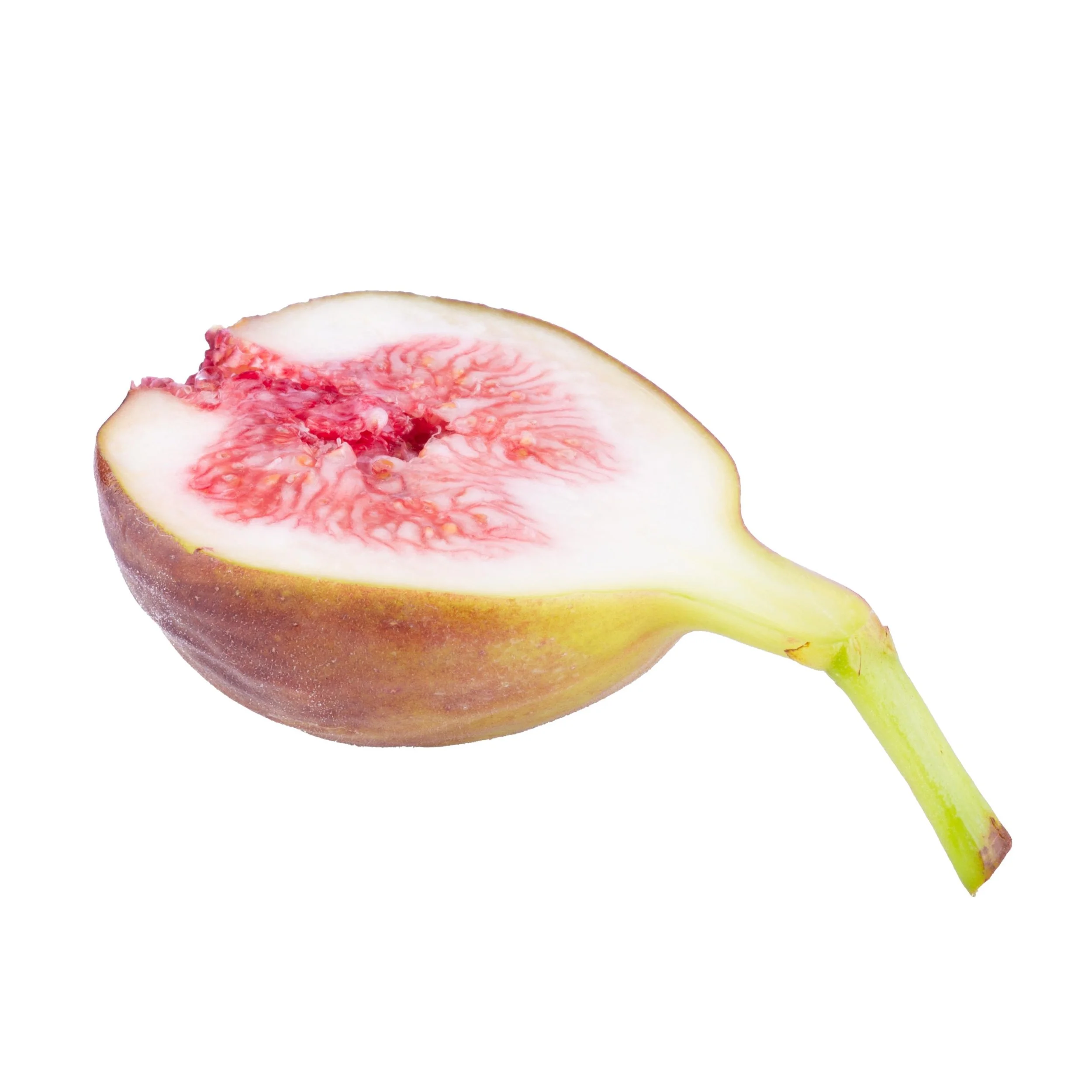
Sweet, soft, and naturally rich, figs add depth, texture, and nourishment to plant-based meals.
Figs are soft, naturally sweet fruits with a delicate texture and tiny edible seeds. They add richness and subtle sweetness to plant-based meals.
Fresh figs are tender and mildly sweet, while dried figs have a more concentrated flavor and chewy texture. Both forms are commonly used in both sweet and savory dishes.
In plant-based cooking, figs are often added to salads, grain dishes, and desserts for natural sweetness and depth.
Figs provide fiber, minerals, and plant compounds that support overall wellness.
Key Benefits
• Supports digestive wellness with fiber
• Supports heart-supportive nutrition patterns
• Provides natural sweetness to meals
• Supports bone health with minerals
• Adds richness and texture to dishes
Key Nutrients
• Fiber
• Potassium
• Calcium
• Magnesium
• Antioxidants
Nutrition Facts (per 1 cup fresh figs)
• Calories: ~75
• Carbs: ~19 g
• Fiber: ~3 g
• Protein: ~1 g
• Fat: ~0 g
• Sugar: ~16 g
Source: USDA FoodData Central
Easy Ways to Eat Figs
• Slice into salads
• Add to oatmeal
• Pair with nuts and plant-based cheeses
• Blend into smoothies
• Use in baked goods
• Enjoy fresh or dried
How to Choose and Store
How to choose
Look for soft, plump figs with smooth skin.
How to store
• Refrigerate fresh figs
• Store dried figs in a cool, dry place
How long it lasts
Fresh: about 3–5 days refrigerated
Dried: several months stored properly
Pairs Well With
• Walnuts
• Almonds
• Arugula
• Citrus
• Maple
• Cinnamon
Conditions Figs May Help Support
This section is not medical advice.
Figs may support:
• Digestive health support
• Heart-supportive nutrition patterns
• Bone-supportive nutrition
• Balanced plant-forward eating