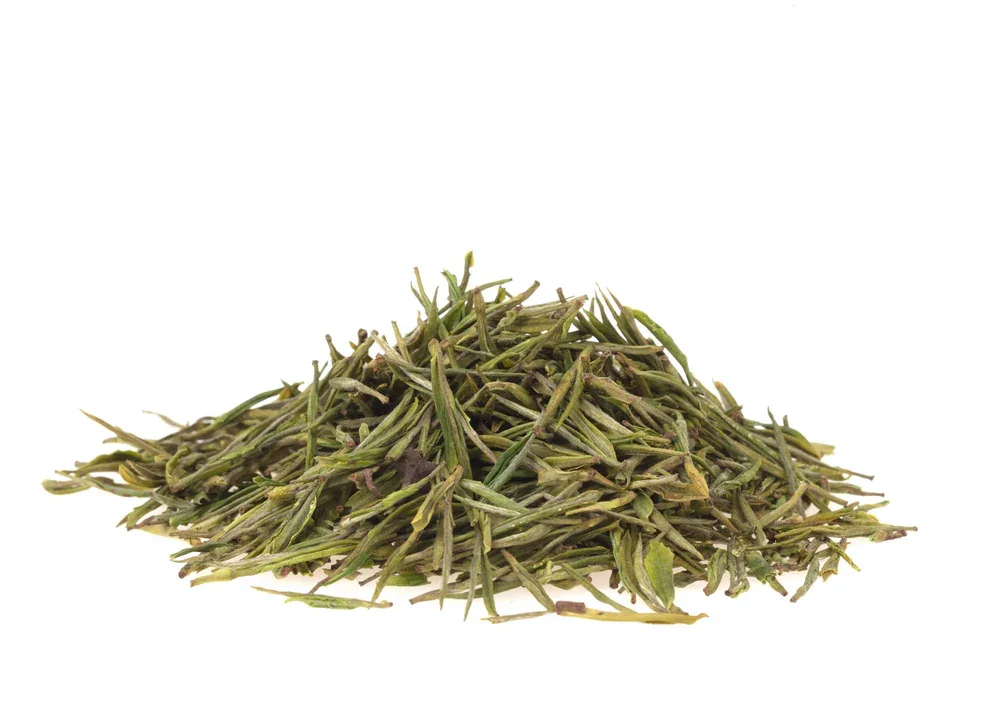
Green tea is a gentle, lightly grassy tea made from unoxidized tea leaves. It’s rich in plant compounds called catechins and offers a calm, steady lift with less caffeine than coffee.
Green tea comes from the same plant as black tea, Camellia sinensis. The difference is in the processing. Green tea leaves are heated soon after picking, which keeps their color, fresh flavor, and many of their natural antioxidants. Varieties range from delicate sencha and dragon well to toasty genmaicha and vibrant, powdered matcha.
In a plant-based kitchen, green tea is an easy everyday habit. Enjoy it hot in the morning, iced in the afternoon, or whisked into a matcha latte with your favorite plant milk. It also works in smoothies, overnight oats, and soba noodle broth.
Key Benefits
Provides antioxidants, especially catechins like EGCG
Offers a gentle energy lift with less caffeine than coffee
Contains L-theanine, which is associated with calm focus
Supports hydration as an unsweetened drink
An easy, comforting daily ritual
Key Nutrients
Catechins (EGCG)
L-theanine
Flavonoids
Caffeine
Antioxidants
Nutrition Facts
Calories: 2
Carbs: 0g
Fiber: 0g
Protein: 0.5g
Fat: 0g
Sugar: 0g
Caffeine: about 30mg
Source: USDA FoodData Central, per 1 cup brewed (8 oz)
Easy Ways to Enjoy Green Tea
Brew hot with water just below boiling, about 2 to 3 minutes
Make iced green tea with fresh mint and lemon
Whisk matcha into warm oat or almond milk for a latte
Blend matcha into a banana and spinach smoothie
Stir matcha into overnight oats or chia pudding
Use brewed green tea as the base for a light soba noodle broth
Add a slice of fresh ginger while it steeps
How to Choose and Store Green Tea
How to choose: Loose-leaf tea and quality tea bags both work well. Look for leaves that smell fresh and grassy. For matcha, choose a bright green powder; a dull, yellowish color usually means it’s older. Check the label for plain green tea if you want to avoid added flavors or sweeteners.
How to store
Store in an airtight container away from light, heat, and moisture
Keep away from strong-smelling spices, since tea absorbs aromas
Refrigerate opened matcha to keep its color and flavor
How long it lasts
Loose-leaf green tea and tea bags taste best within 6 to 12 months. Opened matcha is best within 1 to 2 months.
Pairs Well With
Lemon
Mint
Ginger
Honey or maple syrup
Oat milk
Almond milk
Banana
Berries
Jasmine
Citrus
Conditions Green Tea May Help Support
This section is not medical advice. It’s a “what the research suggests” support list.
Green Tea may be a helpful food choice for people focusing on:
Antioxidant support as part of a plant-rich diet
Calm focus and steady energy routines
Heart wellness support
Hydration with an unsweetened drink
Nourishing whole-food plant-based living
Green tea contains caffeine. If you’re sensitive to caffeine, pregnant, or taking medication, choose decaf or check with your provider about how much is right for you.
For medical nutrition therapy, always consult a licensed provider.