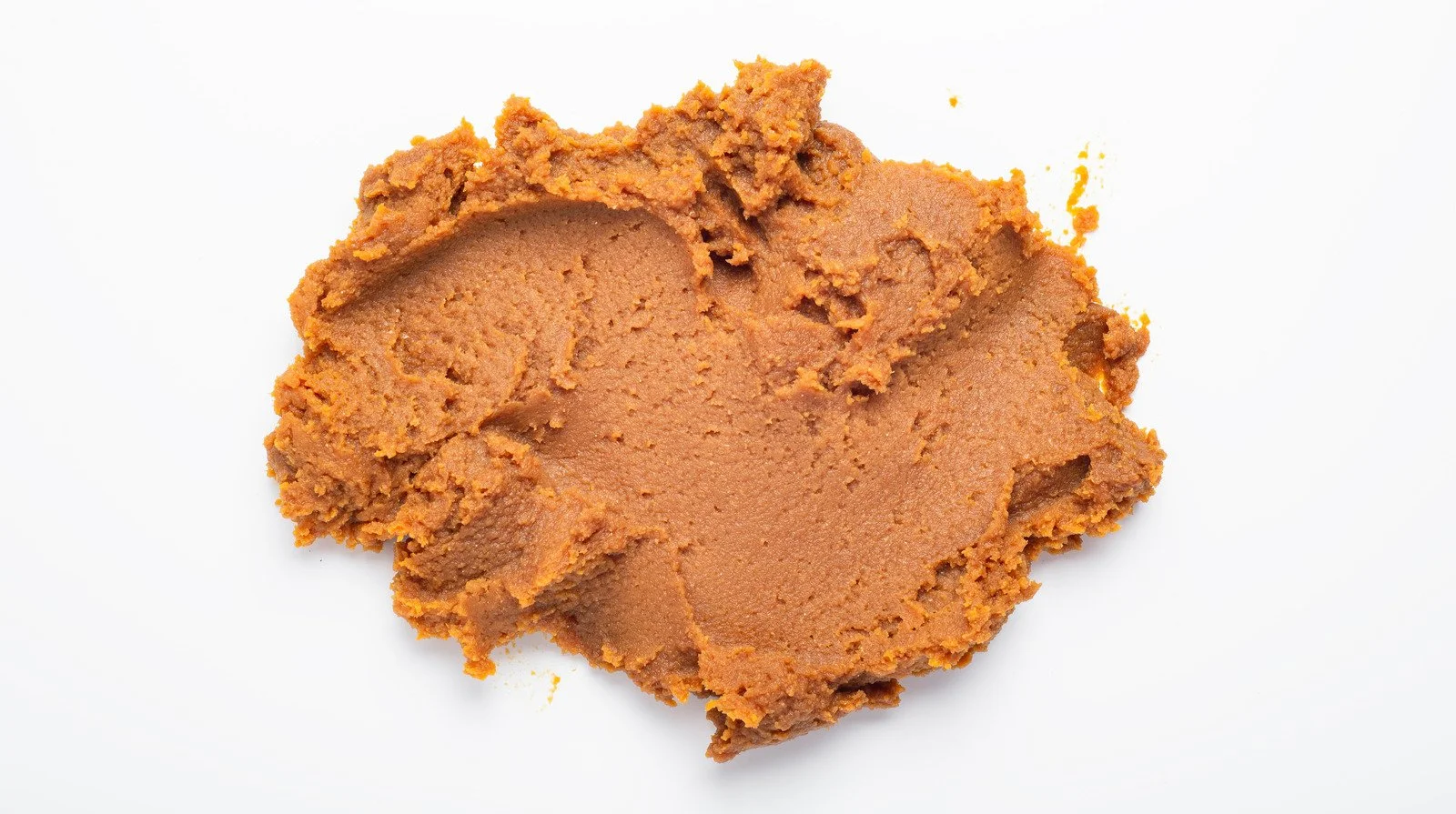
Miso is a fermented soybean paste with a deep, savory flavor. It brings umami to soups, dressings, glazes, and sauces, and a little goes a long way.
Miso is made by fermenting soybeans, sometimes with rice or barley, along with salt and koji, a beneficial culture. The result is a thick paste that ranges from mild and slightly sweet to rich and bold, depending on how long it’s aged. White miso is the gentlest, red miso is the deepest, and yellow sits in between.
In plant-based cooking, miso is one of the easiest ways to add savory depth. A spoonful stirred into soup, whisked into a dressing, or brushed onto roasted vegetables gives a meal the rich, satisfying flavor many people associate with meat or cheese. Because it’s concentrated and salty, you’ll usually only need a tablespoon or two.
Key Benefits
Adds rich, savory flavor to plant-based meals
Contains live cultures when unpasteurized and added off the boil
Supports digestive wellness as part of a varied, fermented-food routine
Provides plant protein from soybeans
Keeps for months, so it’s an easy staple to have on hand
Key Nutrients
Plant protein
Vitamin K
Manganese
Copper
Zinc
Live cultures (unpasteurized miso)
Nutrition Facts
Calories: 34
Carbs: 4g
Fiber: 1g
Protein: 2g
Fat: 1g
Sugar: 1g
Sodium: 630mg
Source: USDA FoodData Central, per 1 tablespoon (17g)
Easy Ways to Eat Miso
Stir into hot (not boiling) water or broth for a quick miso soup
Whisk into salad dressings with rice vinegar and ginger
Brush onto roasted eggplant, squash, or tofu
Mix into sauces for noodles and grain bowls
Add a spoonful to soups, stews, or gravy for depth
Blend into hummus or a creamy pasta sauce
Stir into mashed potatoes or sweet potatoes
How to Choose and Store Miso
How to choose: Look for miso in the refrigerated section, often near the tofu. White (shiro) miso is mild and a good place to start; red (aka) miso is stronger and saltier. Choose unpasteurized miso if you want live cultures, and check the label for barley if you eat gluten-free. Reduced-sodium miso is also available.
How to store
Keep in the refrigerator in a sealed container
Press a piece of parchment or plastic wrap onto the surface to keep it from drying out
Use a clean spoon each time
How long it lasts
Miso keeps for several months to a year in the refrigerator. It may darken over time, which is normal.
Pairs Well With
Ginger
Garlic
Scallions
Tofu
Mushrooms
Seaweed
Sesame
Rice vinegar
Sweet potatoes
Eggplant
Conditions Miso May Help Support
This section is not medical advice. It’s a “what the research suggests” support list.
Miso may be a helpful food choice for people focusing on:
Digestive wellness support as part of a varied diet
Adding fermented foods to plant-based meals
Flavorful cooking with less added fat
Plant-based protein variety
Nourishing whole-food plant-based eating
For medical nutrition therapy, always consult a licensed provider.