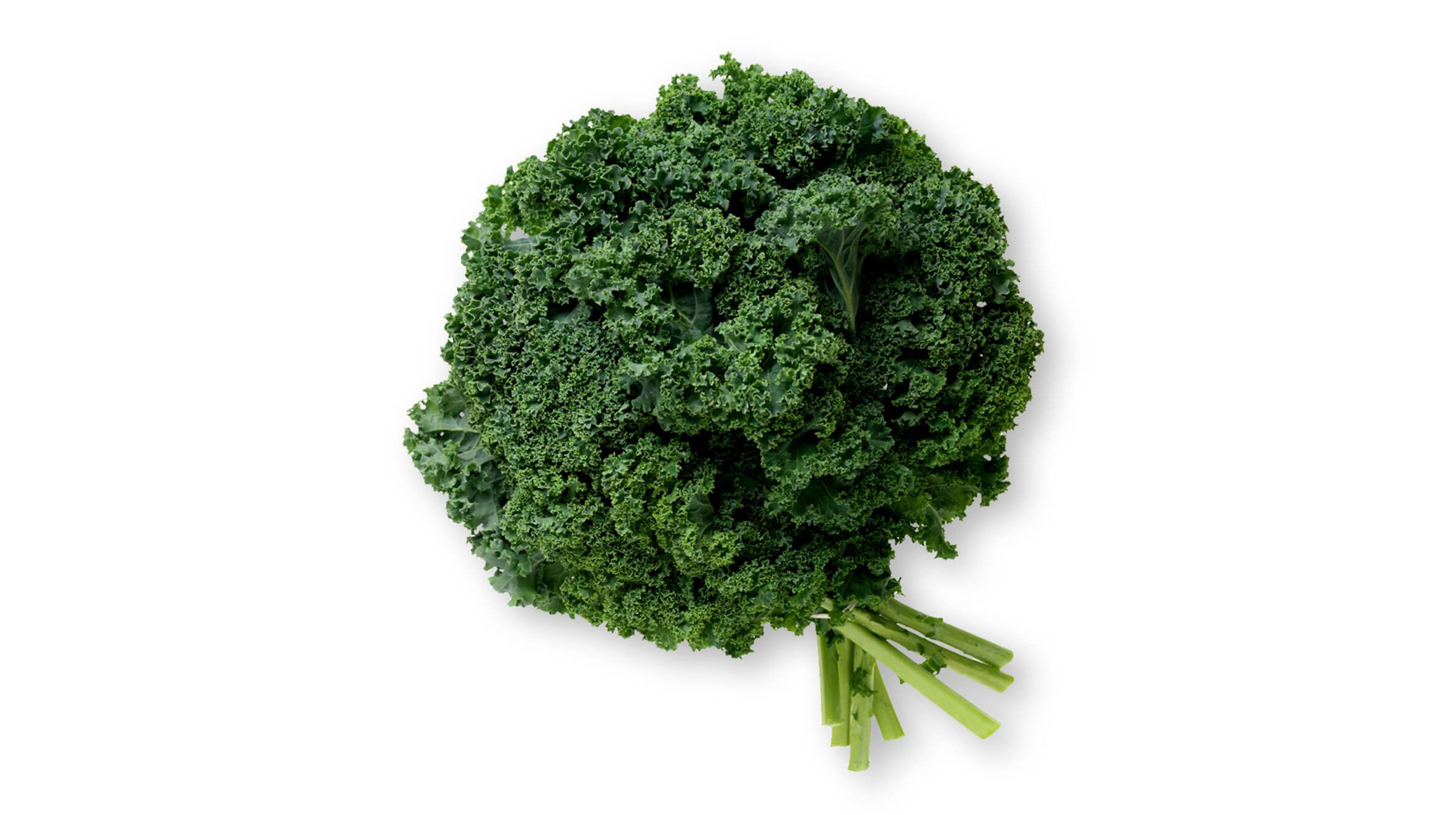
Kale is one of the most nutrient-dense leafy greens you can keep in rotation. It’s hearty, affordable, and incredibly versatile once you know how to prep it. If you’re plant-based curious, kale is a powerful staple because it helps you build meals that feel fresh, filling, and truly nourishing.
Quick Snapshot
Kale is a leafy green known for its deep color and sturdy texture. Unlike softer greens, kale holds up well in salads, soups, stir-fries, and meal prep. You can enjoy it raw (when massaged), sautéed, roasted, or blended into smoothies. For beginners, kale can feel intimidating at first, but once you learn a few simple methods, it becomes a go-to wellness ingredient.
Key Benefits
• Supports immune wellness thanks to vitamins A and C
• Supports bone health with vitamin K
• Supports digestion with fiber
• A powerful leafy green that adds nutrition and volume to meals
Key Nutrients
• Vitamin K
• Vitamin A
• Vitamin C
• Fiber
• Calcium (plant-based source)
• Antioxidants
Nutrition Facts (per 1 cup chopped raw kale)
• Calories: ~33
• Carbs: ~6g
• Fiber: ~1.3g
• Protein: ~2.2g
• Fat: ~0.6g
• Sugar: ~0.5g
Source: USDA FoodData Central
Easy Ways to Eat Kale
• Massage with olive oil and lemon for a tender salad base
• Sauté with garlic and a pinch of salt
• Add to soups, chili, or lentil stew near the end of cooking
• Roast into kale chips with seasoning
• Blend into smoothies with banana and berries (you’ll barely taste it)
How to Choose and Store Kale
How to choose: Look for vibrant, deep green leaves with firm stems. Avoid yellowing or wilted bunches.
How to store:
• Refrigerate unwashed kale in the produce drawer
• Wrap in a paper towel inside a bag to reduce moisture
• Wash and chop ahead for meal prep (dry well first)
How long it lasts: About 5–7 days refrigerated
Pairs Well With
• Lemon
• Garlic
• Chickpeas
• Sweet potatoes
• Tahini