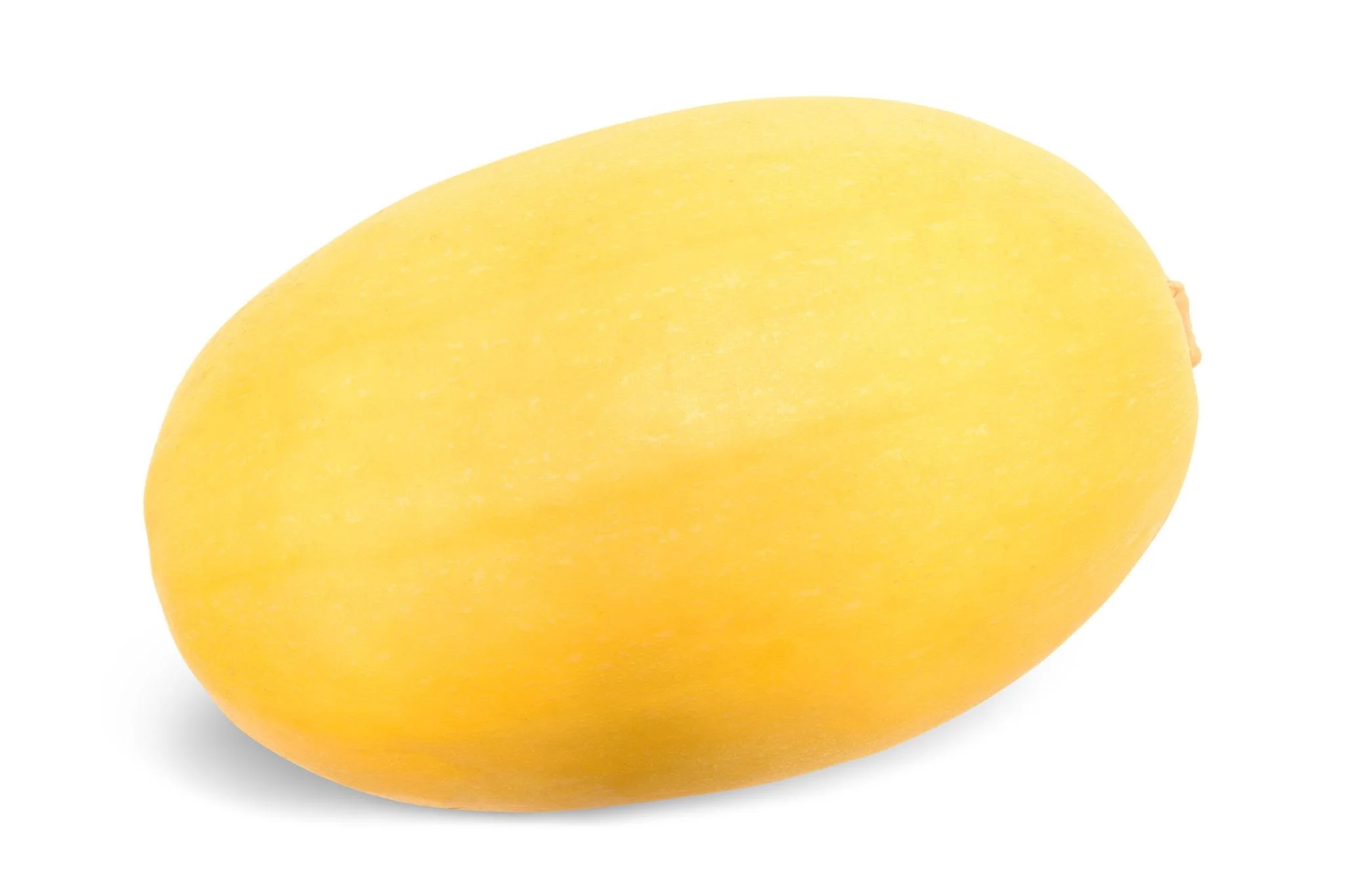
Mild, light, and endlessly sauce-friendly — spaghetti squash turns into tender golden strands with nothing more than a fork.
Spaghetti squash is a unique winter squash known for its noodle-like strands that form when the cooked flesh is scraped with a fork. With a mild flavor and light texture, it’s often used as a plant-based alternative to pasta and works beautifully with sauces, roasted vegetables, and herbs.
Quick Snapshot
Spaghetti squash is a low-calorie winter squash that forms tender spaghetti-like strands when cooked. It provides fiber, vitamin C, and a light base for plant-forward meals.
Key Benefits
• Supports digestive wellness with fiber
• Supports immune wellness with vitamin C
• Provides a light alternative to pasta dishes
• Supports balanced plant-forward eating
• Adds volume and satisfaction to meals
Key Nutrients
• Fiber
• Vitamin C
• Vitamin B6
• Potassium
• Antioxidants
Nutrition Facts (per 1 cup cooked spaghetti squash)
• Calories: ~42
• Carbs: ~10g
• Fiber: ~2g
• Protein: ~1g
• Fat: ~0g
• Sugar: ~4g
Source: USDA FoodData Central
Easy Ways to Eat Spaghetti Squash
• Roast and scrape into spaghetti-like strands
• Toss with marinara and roasted vegetables
• Add to plant-based pasta bowls
• Mix with pesto and chickpeas
• Use as a base for vegetable stir-fry bowls
How to Choose and Store
How to choose: Look for squash that is firm, bright yellow, and heavy for its size.
How to store:
• Store whole squash in a cool, dry pantry
• Refrigerate once cut
How long it lasts:
Whole spaghetti squash can last 1–2 months.
Pairs Well With
• Marinara
• Garlic
• Basil
• Mushrooms
• Lentils
• Nutritional yeast
Conditions Spaghetti Squash May Help Support
Spaghetti squash may support:
• Digestive wellness support
• Balanced weight management routines
• Plant-forward meal patterns
• Heart-healthy nutrition