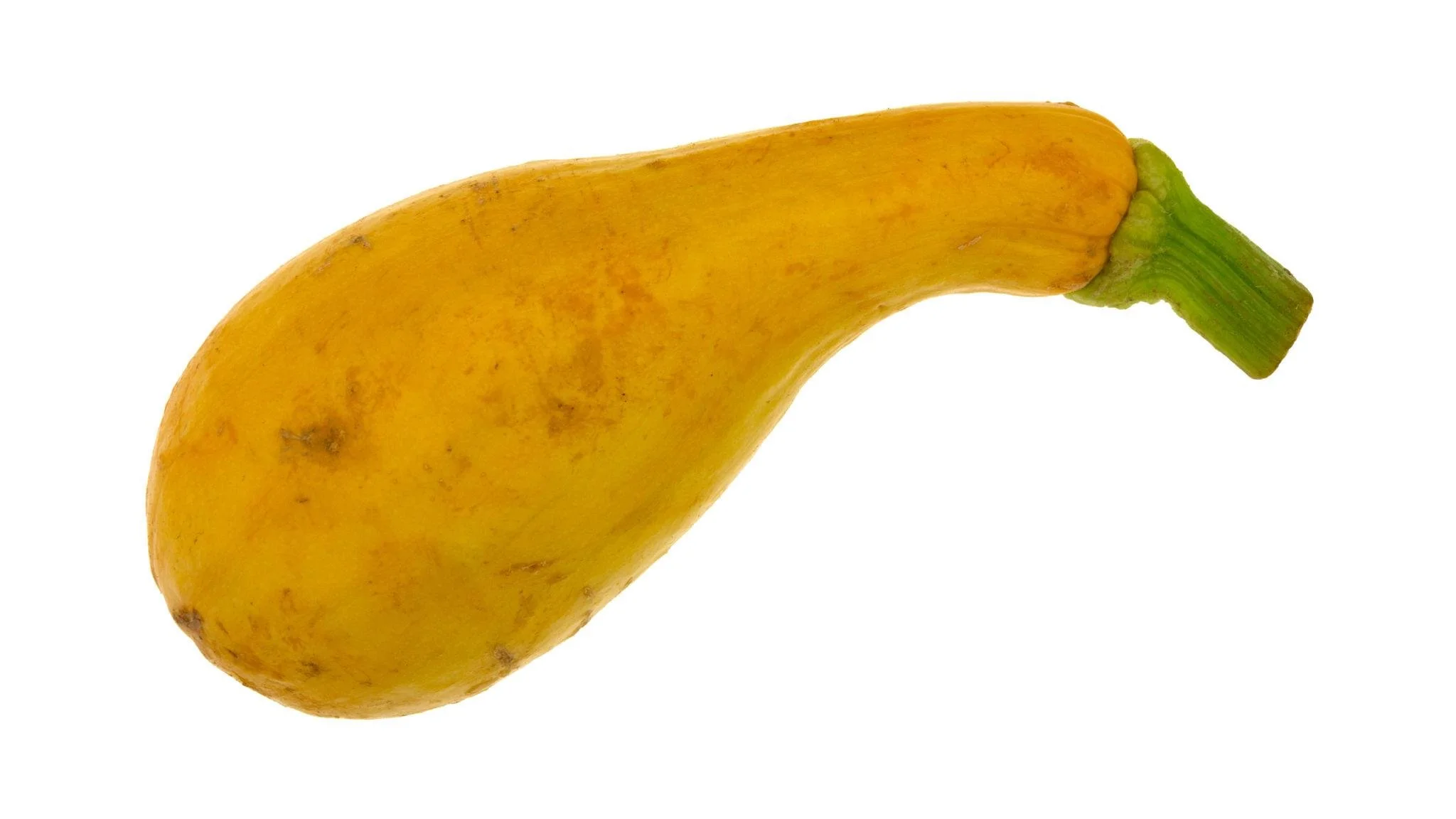
Yellow squash is a tender summer vegetable with a mild flavor and soft texture. It cooks quickly and easily absorbs herbs, spices, and sauces in plant-based meals.
Yellow squash, often called summer squash, is known for its bright color and delicate flavor. It includes varieties such as straightneck and crookneck squash, both of which have thin edible skin and tender flesh.
Because it cooks quickly, yellow squash is a favorite for simple weeknight meals. It can be sautéed, roasted, grilled, or added to soups and vegetable medleys.
Yellow squash also provides fiber, vitamin C, and antioxidants that support overall wellness and balanced plant-forward eating.
Key Benefits
• Supports digestive wellness with fiber
• Provides antioxidants that support cellular health
• Supports immune wellness with vitamin C
• Adds color and texture to meals
• A quick-cooking vegetable for easy plant-based meals
Key Nutrients
• Vitamin C
• Fiber
• Vitamin B6
• Potassium
• Folate
• Antioxidants
Nutrition Facts (per 1 cup sliced raw yellow squash)
• Calories: ~18
• Carbs: ~4 g
• Fiber: ~1 g
• Protein: ~1 g
• Fat: ~0 g
• Sugar: ~2 g
Source: USDA FoodData Central
Easy Ways to Eat Yellow Squash
• Sauté with garlic and herbs
• Roast with olive oil and spices
• Grill for smoky flavor
• Add to vegetable stir-fries
• Slice into pasta or grain bowls
• Mix into vegetable soups
How to Choose and Store
How to choose
Look for firm squash with smooth, bright yellow skin and no soft spots.
How to store
• Store in the refrigerator crisper drawer
• Keep unwashed until ready to use
How long it lasts
About 4–5 days in the refrigerator.
Pairs Well With
• Zucchini
• Garlic
• Tomatoes
• Basil
• Peppers
• Mushrooms
• Lemon
Conditions Yellow Squash May Help Support
This section is not medical advice.
Yellow squash may support:
• Digestive health support
• Immune wellness support
• Balanced plant-forward nutrition
• Fiber-rich eating patterns