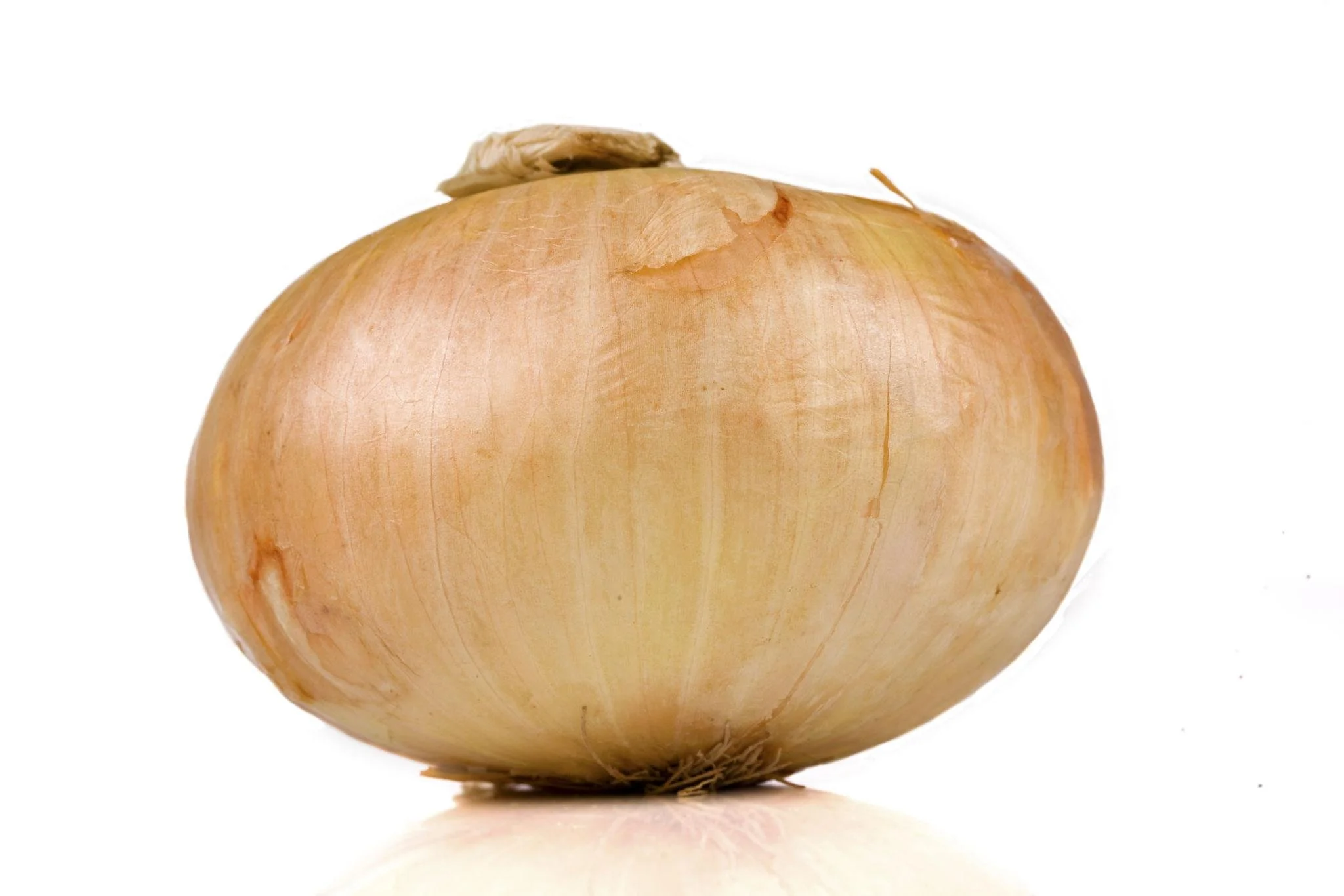
Sweet onions are known for their mild flavor and natural sweetness, making them perfect for both raw and cooked dishes. Their gentle taste adds flavor without the sharp bite found in stronger onions.
Summary
Sweet onions are a variety of onion grown in low-sulfur soil, which gives them their signature mild flavor. Because they contain less sulfur than other onions, they have a softer taste and noticeable sweetness that makes them especially enjoyable raw.
They’re commonly used in salads, sandwiches, burgers, and fresh salsas, but they also caramelize beautifully when cooked. Their natural sugars develop deep golden flavor when roasted or sautéed.
Sweet onions are also a source of fiber, vitamin C, and beneficial plant compounds that support overall wellness and plant-forward cooking.
Key Benefits
• Supports heart-supportive eating patterns
• Supports immune wellness with vitamin C
• Provides antioxidants that support cellular health
• Supports digestive wellness with fiber
• Adds natural sweetness to plant-based meals
Key Nutrients
• Vitamin C
• Fiber
• Vitamin B6
• Folate
• Potassium
• Antioxidants (including quercetin)
Nutrition Facts (per 1 cup chopped raw sweet onion)
• Calories: ~64
• Carbs: ~15 g
• Fiber: ~3 g
• Protein: ~2 g
• Fat: ~0 g
• Sugar: ~7 g
Source: USDA FoodData Central
Easy Ways to Eat Sweet Onions
• Slice thinly for salads and sandwiches
• Add to veggie burgers and wraps
• Caramelize slowly for deep sweetness
• Roast with vegetables for rich flavor
• Dice into fresh salsa
• Add to grain bowls or roasted vegetable dishes
How to Choose and Store
How to choose
Look for firm onions with dry skin and no soft spots.
How to store
• Store in a cool, dry, well-ventilated place
• Keep away from potatoes
How long it lasts
Sweet onions tend to have a shorter shelf life than other onions and are best used within 1–2 weeks.
Pairs Well With
• Tomatoes
• Avocado
• Mushrooms
• Peppers
• Beans
• Garlic
• Herbs
Conditions Sweet Onions May Help Support
This section is not medical advice.
Sweet onions may support:
• Heart-supportive nutrition patterns
• Immune wellness support
• Digestive health support
• Balanced plant-forward nutrition