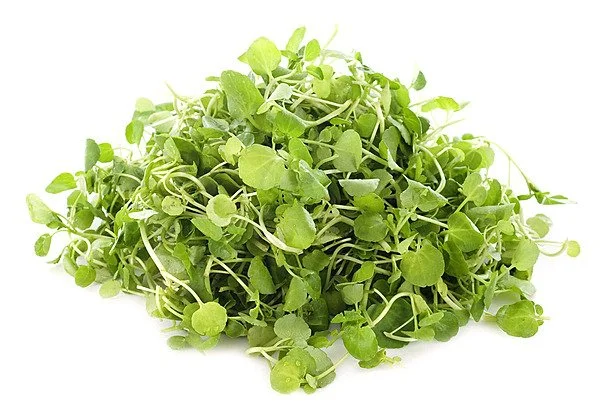
On the CDC's nutrient-density index, watercress scores a perfect 100 — the highest of any vegetable tested.
Watercress is a delicate leafy green known for its crisp texture and naturally peppery flavor. It has been enjoyed for centuries as both a culinary herb and a nutrient-dense vegetable. Because of its vibrant taste, a small handful can brighten an entire dish, whether added to salads, blended into soups, or layered into sandwiches.
Key Benefits
• Supports bone wellness with vitamin K
• Supports immune wellness with vitamin C
• Provides antioxidants that support cellular health
• Supports digestion with fiber
• Adds bright flavor to plant-based meals
Key Nutrients
• Vitamin K
• Vitamin C
• Vitamin A
• Calcium
• Potassium
• Antioxidants
Nutrition Facts (per 1 cup raw watercress)
• Calories: ~4
• Carbs: ~0.4 g
• Fiber: ~0.2 g
• Protein: ~0.8 g
• Fat: ~0 g
• Sugar: ~0.2 g
Source: USDA FoodData Central
Easy Ways to Eat Watercress
• Add to fresh salads for peppery flavor
• Layer into sandwiches or wraps
• Blend into green smoothies
• Stir into soups just before serving
• Toss into grain bowls
• Use as garnish for roasted vegetables
How to Choose and Store
How to choose
Look for vibrant green leaves and crisp stems. Avoid bunches that appear wilted or yellowing.
How to store
• Store in the refrigerator wrapped loosely in a damp paper towel
• Place in a produce bag or container
How long it lasts
Best used within 2–3 days.
Pairs Well With
• Lemon
• Avocado
• Cucumbers
• Radishes
• Olive oil
• Fresh herbs
Conditions Watercress May Help Support
This section is not medical advice.
Watercress may support:
• Bone wellness support
• Immune health support
• Digestive wellness support
• Heart-supportive eating patterns