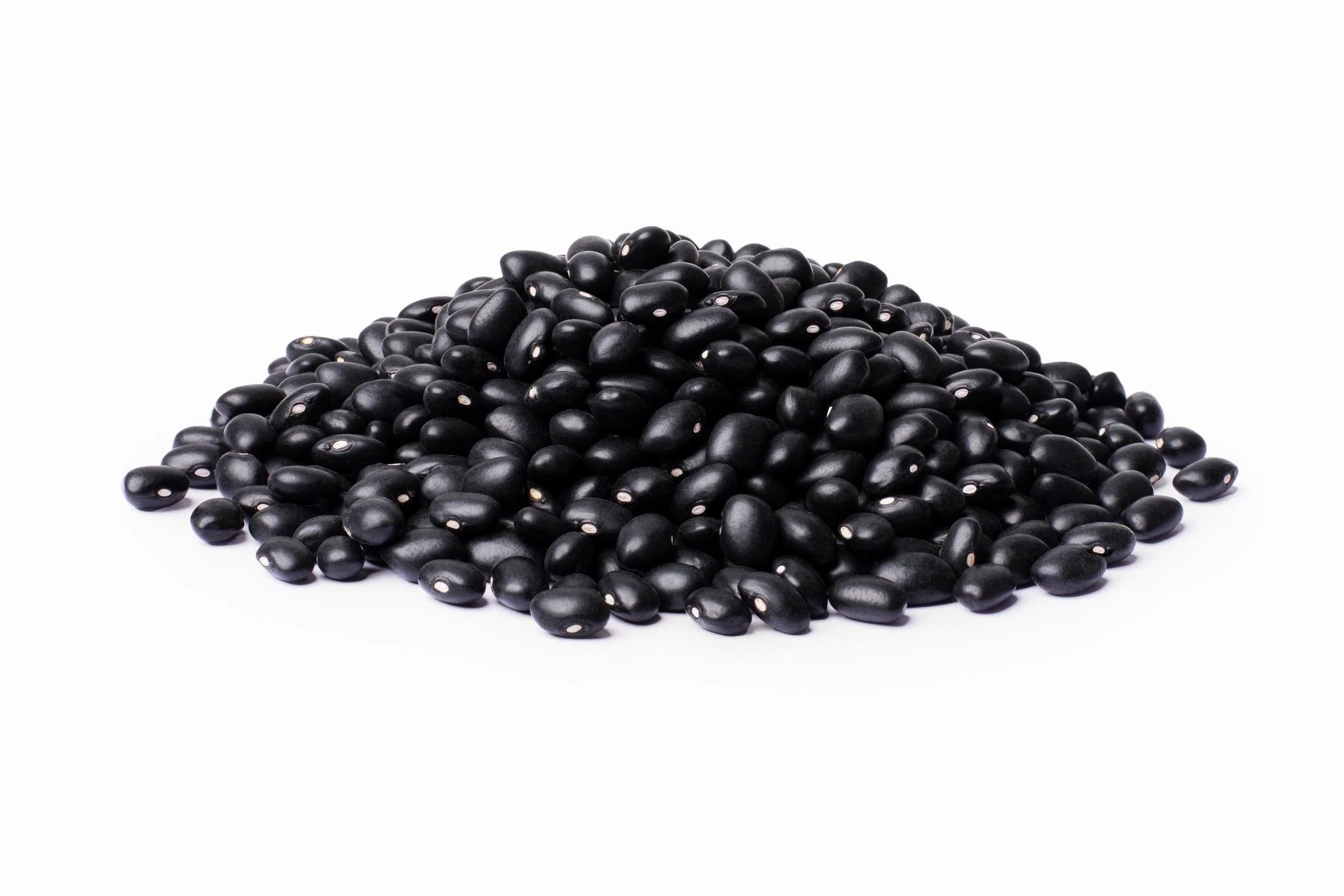
Black beans are nutrient-dense legumes rich in plant protein, fiber, iron, and antioxidants. They are versatile and work well in soups, bowls, tacos, and plant-based comfort dishes.
Black beans are a powerful plant-based pantry staple known for their rich flavor, creamy texture, and impressive nutritional profile. They are widely used in Latin American, Caribbean, and plant-based cuisines because they provide protein, fiber, and substance to meals.
Key Benefits
• Supports digestive wellness with fiber
• Supports heart health with plant compounds
• Provides plant-based protein
• Supports steady energy with complex carbohydrates
• A filling staple for plant-forward eating
Key Nutrients
• Plant protein
• Fiber
• Iron
• Magnesium
• Potassium
• Antioxidants
Nutrition Facts (per 1 cup cooked black beans)
• Calories: ~227
• Carbs: ~41g
• Fiber: ~15g
• Protein: ~15g
• Fat: ~1g
• Sugar: ~1g
Source: USDA FoodData Central
Easy Ways to Eat Black Beans
• Add to tacos and burrito bowls
• Stir into soups and stews
• Toss with rice, avocado, and lime
• Mash into veggie burgers
• Blend into plant-based dips
• Add to salads and grain bowls
How to Choose and Store
How to choose: Look for dry beans that are uniform in color and free of cracks.
How to store
• Store dry beans in airtight containers in a cool pantry
• Cooked beans should be refrigerated
How long it lasts
Dry beans: up to 1 year in pantry
Cooked beans: 4–5 days in refrigerator
Pairs Well With
• Lime
• Cilantro
• Garlic
• Avocado
• Tomatoes
• Brown rice
Conditions Black Beans May Help Support
Black beans may support:
• Heart health support
• Digestive wellness support
• Balanced blood sugar routines
• Plant-based protein intake